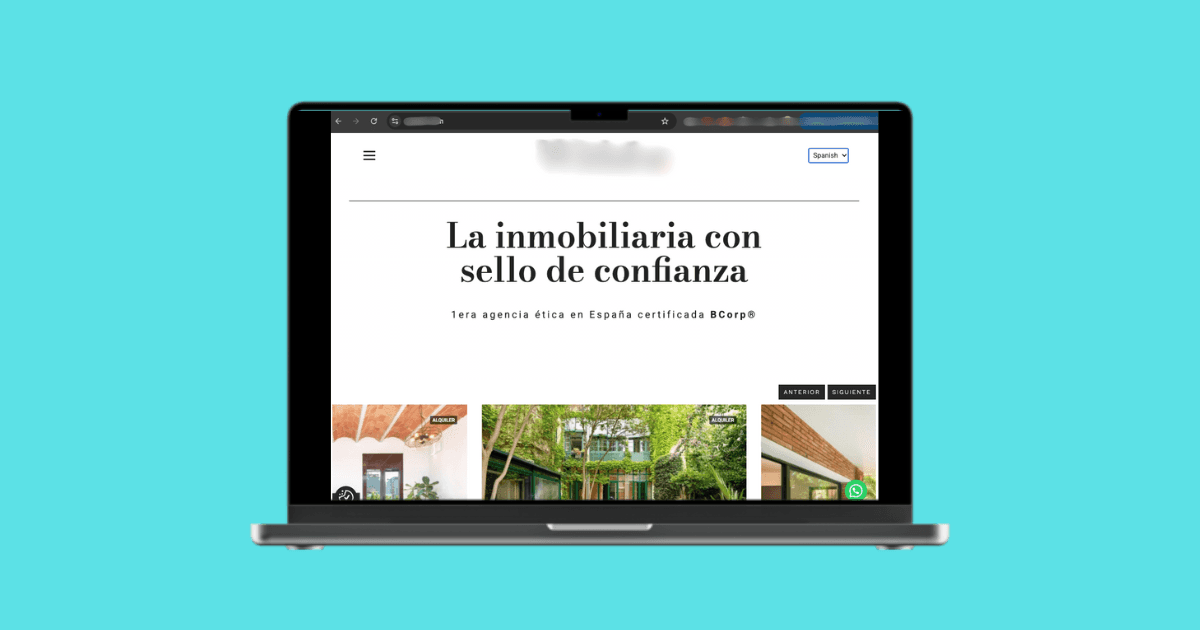
This luxury real estate company caters to a global clientele of high-net-worth individuals from Europe. Each with different cultural expectations. As traffic and demand from international markets grew, it became clear that the website needed to reflect the languages and behaviors of its actual users.
The company made the strategic decision to rebuild the website in multiple languages; however, the original site architecture was not equipped to support this kind of scale or SEO structure.
Background and Challenge
Platform limitations for multilingual content.
The existing website was not designed to handle multiple languages or region-specific content.
There was no system in place for managing language switching, localized URLs, or cultural personalization.
Lack of Proper International SEO Setup
No hreflang implementation.
Generic metadata across all languages.
No keyword strategy tailored to each market.
Technical SEO Issues
JS-based components weren’t crawlable or indexable (e.g., property filters, menus, content blocks).
Performance was inconsistent across mobile devices.
Sitemap and internal linking were not optimized.
Collaboration Gaps Across Teams
Development, content, and design teams were working in silos.
No unified workflow for localization or SEO integration.
Project Objectives:
Rebuild the website’s information architecture to support multilingual content at scale.
Implement a robust international SEO strategy across six key languages: English, Spanish, French, Italian, German, and Catalan.
Adapt content and messaging based on local search behavior and cultural nuance.
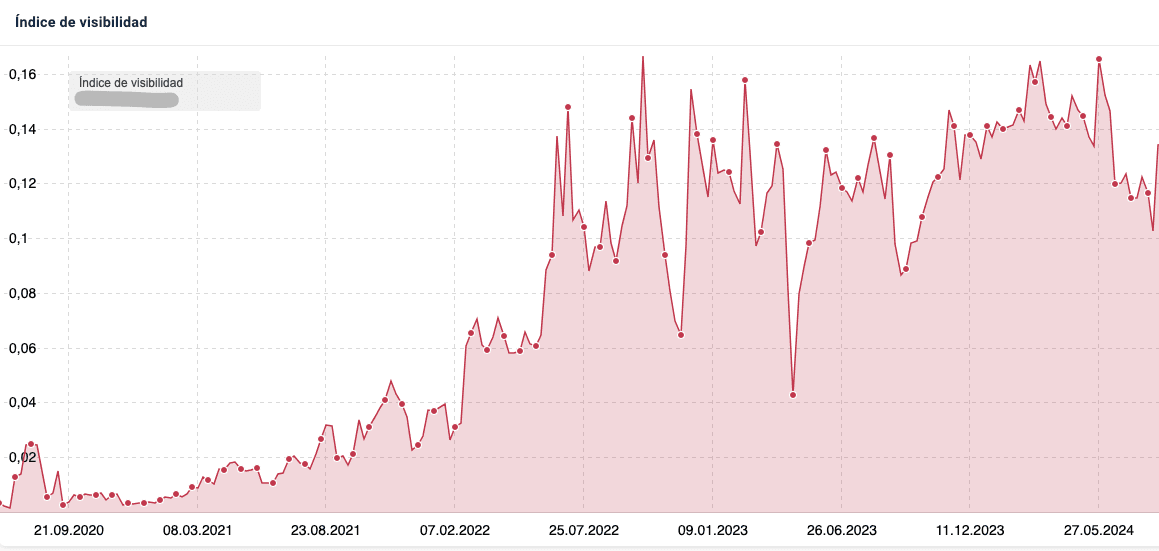
Improve organic visibility and engagement in target markets.
Increase qualified international leads through high-performing, localized pages.
Process and Methodology
International Keyword Research & Cultural Adaptation
Conducted in-depth keyword research by market and language using Semrush and Search Console.
Worked with native-speaking copywriters to adapt tone, terminology, and structure to local expectations.
Built separate keyword strategies for each region. For example, luxury lifestyle terms in France vs. investment-focused terms in Germany and the UK.
Information Architecture & Content Structuring
Created a scalable content hierarchy by user type (e.g., investor vs. buyer) and product type.
Defined a structure of localized URLs, region-specific landing pages, and improved internal linking between content clusters.
Technical SEO Audits
Used Screaming Frog, Google Search Console, and Lighthouse to identify crawl issues, performance bottlenecks, and indexation gaps.
Flagged JavaScript dependencies and worked with developers to migrate critical content to HTML-first rendering.
Planned server-side rendering (SSR) and proper use of canonical tags and hreflangs.
Implementation & Collaboration
Collaborated with cross-functional team involving developers, designers and native translators.
Assisted on the sprints to progressively roll out hreflang implementation, sitemap segmentation, and language switching UX.
Built internal SEO guidelines and QA checklists to ensure consistency across all six language versions.
Coordinated A/B tests on CTA wording, form placement, and image-to-text ratio across different cultures.
Implemented Solution
Technical SEO Improvements
Oversaw implementation of hreflang tags across all pages.
Set guidelines to optimize mobile performance and reduced JS reliance for key components.
Created localized sitemaps and breadcrumb schemas to improve crawlability.
Content Localization
Collaborated with native copywriters to rewrite key landing pages in each language.
Localized CTAs, metadata, headings, and region-specific selling points.
UX and Navigation
Simplified navigation structure and introduced language-aware menus.
Introduced in-page anchor links, internal linking, and region filters.
Improved form flows and trust elements (e.g., currency indicators, phone formats).
Lessons Learned
Localization is not translation: Working with native experts resulted in better user trust and SEO outcomes.
Technical SEO is critical for global scalability: hreflangs, render logic, and crawl paths must be solid.
Cross-functional collaboration enabled seamless rollout across languages and regions.
Cultural insight shapes performance: Messaging, layout, and CTA design all perform differently depending on the market.
SEO and architecture must grow together to support a multi-market strategy that’s both user-friendly and search-optimized.